Here are some simple tips for your and your co-passenger safety when it comes to driving around. While the technology outstretches itself to provide us with cushions like ABS, EBD, Air bags, etc, old school seat belts still form the major backbone of safety.
1. An impact at even 48kmph is same as falling from 3rd floor of building(9m)*.
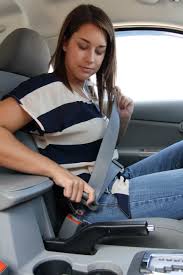
Similarly, an impact at around 103 kmph is same as falling from 14th floor and hitting the ground!!!NEVER think that you need seat belts only at high speeds. Even at low speed collision it saves from injuries. In fact at lower speeds the air bags may not deploy and at high speeds, the seat belts provide you with most of the barrier and aid the air bags considerably and technically they are much more important than any other thing, including air bags. Simply put : always wear a seal belt. *You can punch in any height to check the impact velocity here. Note that typical building floor is around 3m high. https://www.angio.net/personal/climb/speed.html
2. Always, adjust the head restraint to cover your head.
This will prevent severe head and neck injury in case your vehicle turtles up(goes upside down). The importance of this small little barrier to your safety is such that it's a mandatory requirement in many races around the world to pass a severe impact test otherwise car is deemed unfit for racing. Also never remove the head rest completely, as that may lead to severe fatigue injury to your neck even in course of regular driving. image source : headcontrantcompensation.org
3. Always be in control of your speed.
Follow speed limits for your own as well as safety of others. Most of the crash tests including the famous European NCAP tests are done in too optimistic circumstances*. In real world, you can never be sure of safety even with all the advertisement promising you 6 air bags and collision protection systems. Most of the accidents at lower speeds are minor while most high speed collisions make their way into statistics. This does not mean that you need to drive at a snails pace but try to stay within the speed limits and drive in your comfort zone. Added benefit is having lower bills for your fuel costs.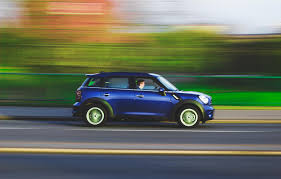 *NCAP tests are done at 64kmph with static target which is 'similar' to 2 cars colliding each other, each travelling at 32kmph.
Don't talk on phone while driving.
This is lots of potential for safety concerns. Distraction is one of the causes of accidents and could be easily avoided. Even speakerphones can be dangerous as physically you may have hands on the wheel but your mind is somewhere else. Your reaction time may increase or you may not see an approaching danger. Also, the habit of texting or working with an app while driving is even more dangerous than talking over phone. Secondly, and less importantly it's the cellular radiation buildup so you should avoid prolonged conversation while inside your vehicle.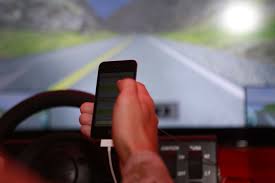
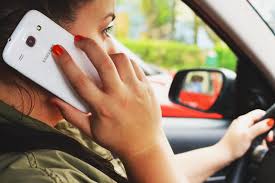 It's best to park and get outside the car and finish your call. This may sound strange but making a call inside your car induces the buildup of cellular radiation inside the car cage, way beyond the SAR limits at times. It exposes not just you but others into harmful radiation and any conversation beyond a few seconds should be avoided.Get outside and talk>Park and talk>Speaker phone > handset conversation while driving > Any hand held activity with phone like texting.
Lower your window pane while reversing and parking in closed spaces.
At times, you need aural feedback in addition to the visual feedback, especially while reversing your car. The mirrors don't show you everything and there may be parked vehicle in your track right in the blind spot or some people in the worst case. Being able to listen for people calling for help could be essential in these cases. At times I have saved a poor dog that would be sleeping under the wheels or prevented hitting a randomly parked two wheeler outside my initial sight when I heard the cry for caution.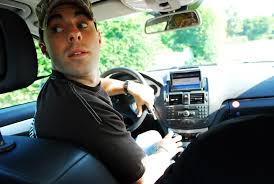 I had witnessed a potential death at an instance. My brother in law was reversing his car from the parking lot, right when he started to reverse, a small girl came in her kid scooter and fell collided with the car. It was invisible as she was too low from the line of sight of the rear view mirror. As the car kept on reversing, she came under the wheel and was about to be crushed. Thankfully by this time, we rushed to gesture him to stop immediately and take the car slightly forward and pulled the kid out. She survived with minor injury to the legs.
Feel that anything is missed out, please leave a comment below. It will be added to the list.
Once people updated to the new marshmallow, problems started coming in. If you feel stuck with this new update, here are some tips and recommended apps that could help you somewhat.
One of the main issues plaguing the users is battery drain. People have complained about up to 20% less battery backup after the update has come up. There are of course some easy fixes to these battery drain problems. However for someone who is not a power user things have gone downhill in this department. If you are a power user then you could install a custom CPU clock management app like No Frills CPU. It could help you get better backup.
Another complain that is common and also a major pain for users is the sluggishness of the phone. Right from Nexus to Moto G, many phones have become slow. Some speed loss came just after the update and further slowness came after few days of usage. Try to keep all of the media contents on the external memory card. This can free up your internal memory and keep apps faster. Secondly you could kill apps running in the background using Hibernate app that can freeze auto start apps.
Third common problem is that of app close. Many apps are randomly closing. It's frustrating to see apps freezing without any valid reasons. Another problem is of memory management. KitKat was King of memory and since then things have not been good. You can overcome this with huge amounts of RAM but for phones with 1GB or less RAM, keep using KitKat based ROM. There is no direct way to address this issue. If you know of some way, please post in the comments below.
Final tip is to wipe your system cache. The process will vary from phone to phone but you can Google the process for your specific model.
.png)


.jpg)